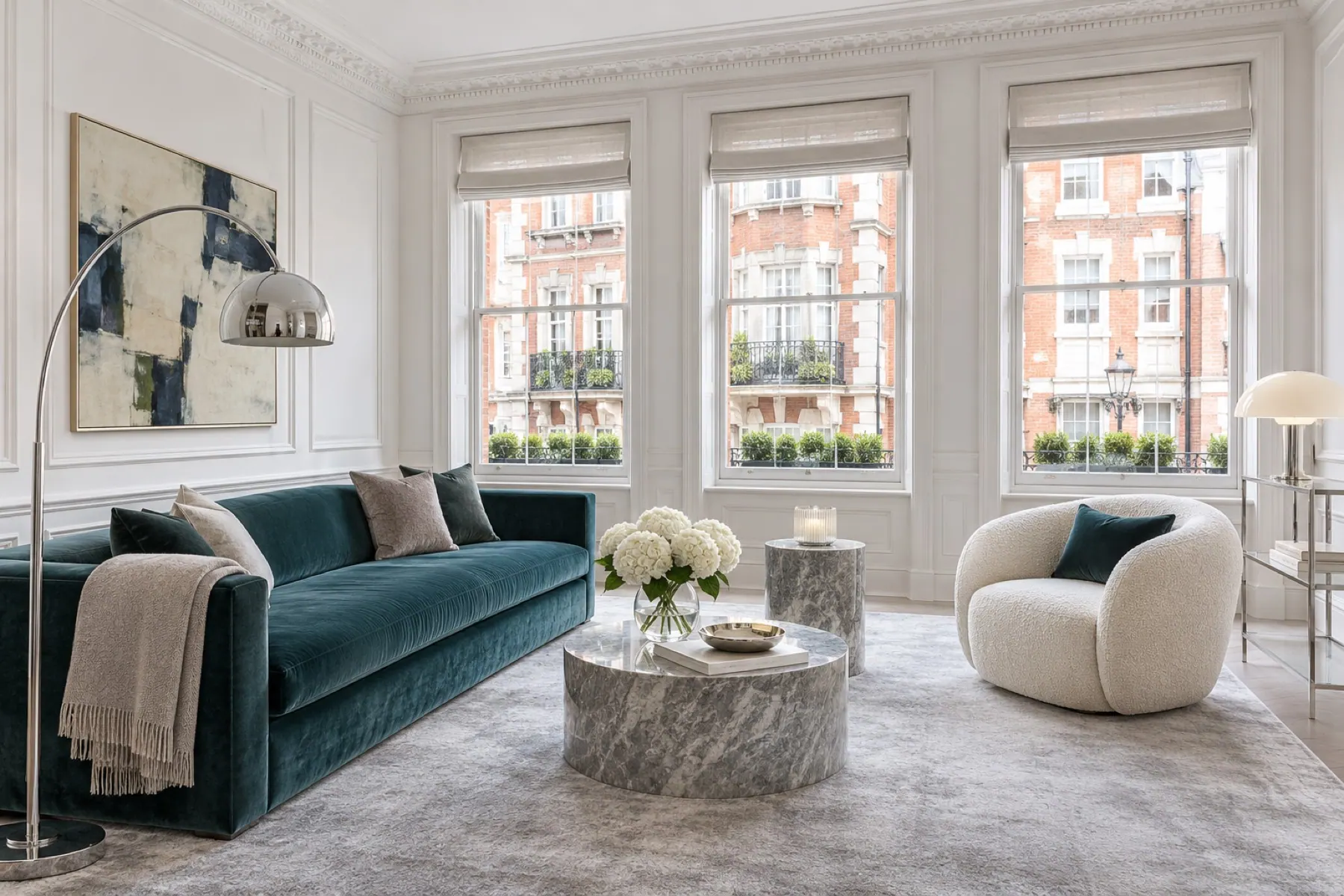
Furnishing a property to let is an investment that has to repay itself in rent. Treated that way, the decisions get easier: some items lift the achievable rate or the review score enough to pay for themselves in a season, and some are decoration.
What pays for itself
- The bed and the mattress. The single most frequent subject of reviews, good and bad. A poor mattress costs you a rating, and the rating costs you rate.
- A usable kitchen. On any stay longer than a week, people cook. An oven, decent knives and enough crockery for the maximum occupancy moves bookings.
- Lighting. Layered lamps instead of a single ceiling light changes how a property photographs, and photography is what gets the click.
- Storage. Somewhere to hang clothes and put a suitcase. The cheapest item on this list and the one most often missing.
What rarely does
- Statement furniture that photographs well and fails within a year under guest use
- Feature wallpaper, which dates and cannot be patch-repaired
- Glass-topped tables and pale upholstery without removable, washable covers
- Anything that cannot be replaced piece by piece when one part is damaged
Specify for repairability, not for the photograph. The photograph is one afternoon; the property has to survive two hundred stays.
City Relay design team
A rough order of spend
On a two-bedroom London flat we would typically weight it: beds and mattresses first, then seating, then kitchen equipment, then lighting, then soft furnishings and art. The last category is where overspending happens, and it is also the easiest to add later once the property is earning.
When not to spend at all
If a property is already furnished to a decent standard, the honest answer is often to change nothing and spend the money on professional photography instead. We say that more often than owners expect.
Illustrative guidance based on properties we furnish and manage. What a specific property needs depends on its condition, its market and how it is let.